

Rolling into Home Automation
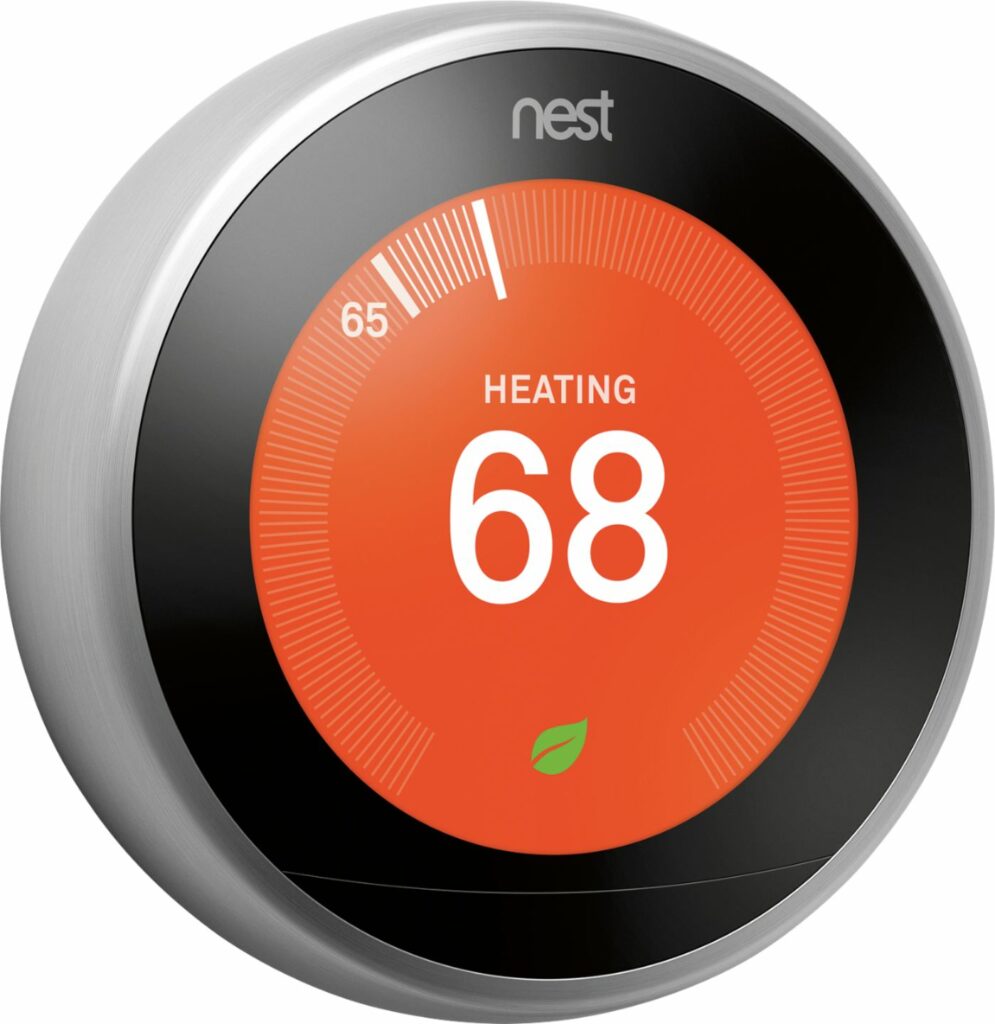
by MATP Staff Member Laura Hall The number of items in your home that can now be controlled remotely, by smartphone, or by voice is staggering and growing every day. I’ve been slow to upgrade my home to “smart home”, but now that I’ve been bitten by the bug there may be no stopping me.Over…
Read MoreBurning Hand

By Aimee Sterk, LMSW, MATP Staff I’m a fairly accident-prone person. Add that to my recent age-related changes in vision and my already narrow field of vision and lack of depth perception due to one of my disabilities, and I’ve been getting burned in the kitchen even more lately. I was sitting through a great…
Read MoreRepresentation in Fashion

By Jen Mullins, BS, CTRS, MATP Staff In my last two blog posts, Access Moves Fashion Forward! and Taking Steps Towards Access in Footwear!, I wrote about how the things that we wear are being designed with access in mind for more and more people. In this post, I share about how clothing, footwear, and…
Read MoreCommunication Frustration and Assistive Technology
The Problem Rachel Dancy posted this lesson in frustration on The Mighty. The problem Rachel describes with stuttering also occurs with disability “accents” where a disability characteristic makes speech less clear. I decided to take a crack at coming up with some AT that could help reduce this kind of frustration. And I found some described…
Read MoreTaking Steps Towards Access in Footwear!
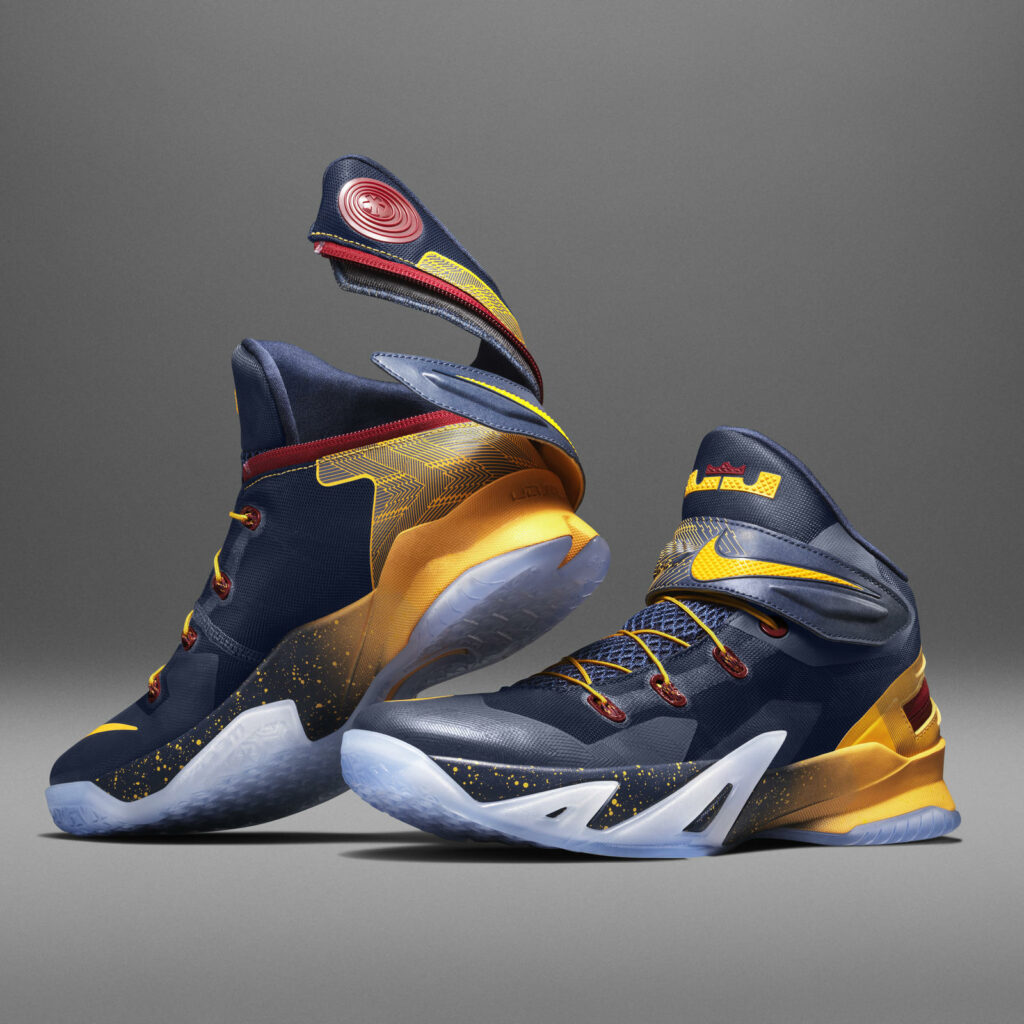
By Jen Mullins, BS, CTRS, MATP Staff While some designers are focusing on creating more accessible clothing, other companies are zeroing on footwear! For people who have limited mobility & dexterity and decreased stamina & balance, putting on traditional, lace up shoes can be difficult. Velcro laces have been popular and useful to many, but…
Read MoreCAPABLE Program to Roll Out Across Michigan

By Aimee Sterk, LMSW, MATP Program Staff People with barriers to community living who use supports through the Mi Choice Waiver Program (which provides services in the community instead of nursing homes) participated in a study that showed that accessing assistive technology, instruction, and home modifications decreased falls and hospitalizations and increased their ability to…
Read MoreLow Vision and Prescription Medication

A study by the National Institute of Health found that 55% of seniors take their medications incorrectly. Many older people deal with normal age-related vision loss and others have low vision or blindness. According to the National Eye Institute, about 135 million people around the world have low vision. There are some resources, including Assistive Technology…
Read MoreAccess Moves Fashion Forward!

In her 2017 TedTalk, ‘Why Design Should Include Everyone’, Sinéad Burke (writer, educator, and little person) asks, “who are we not designing for? Design impinges on the clothes that I want to wear. I want garments that reflect my personality. It’s difficult to find in the children’s wear department. And often women’s wear requires far…
Read MoreAT for Caring for Our Furry Friends
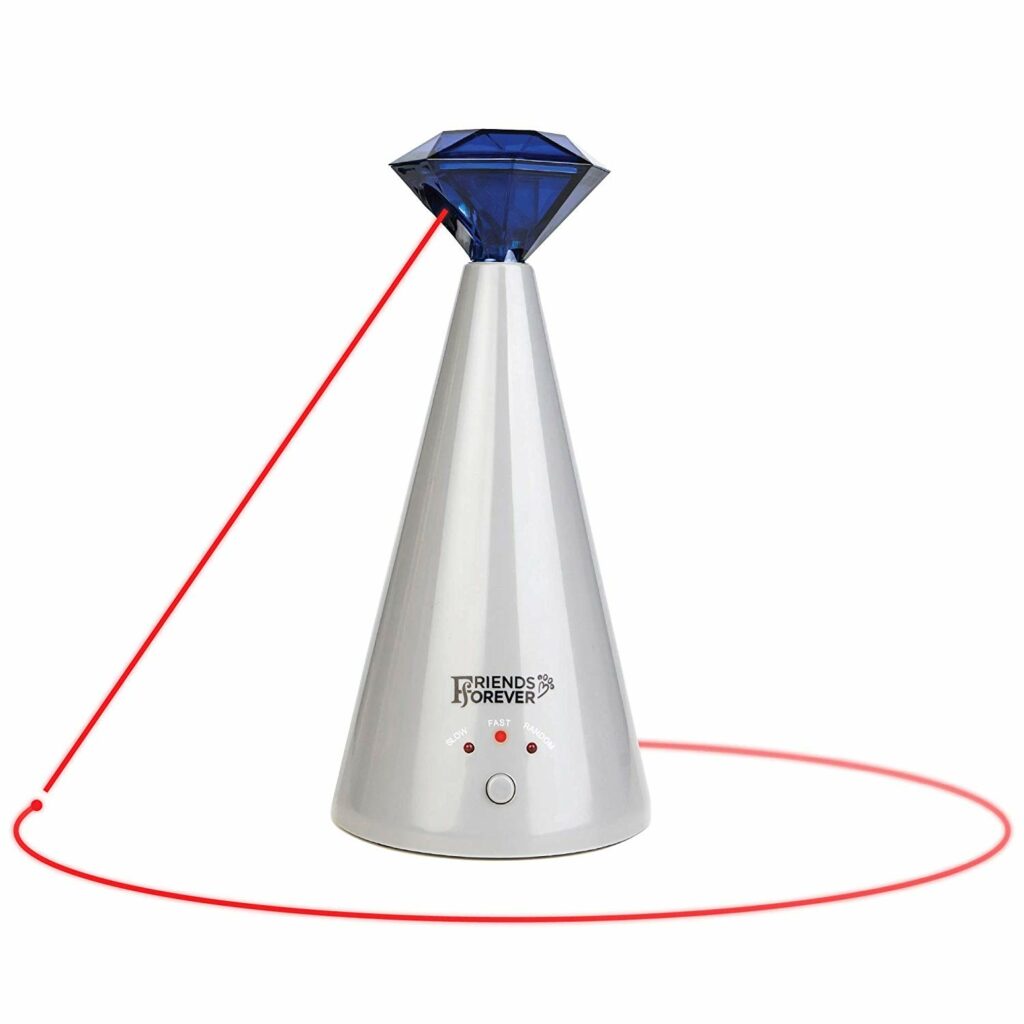
By Guest Blogger, RoAnne Chaney I have always liked cats, my own and friends’ pets. Dogs are OK, but cats are my favorite fur babies. They are soft, cuddly, and usually, have unique character features. When I started using a wheelchair and my last cat died from illness causing me a lot of pain and…
Read MoreThe Role of Assistive Tech (AT) in Recovery from Domestic Violence: Part One
Introduction Most of the focus of MDRC’s AT work in domestic violence involves assuring that people with disabilities who are assaulted are able to access existing resources to the same extent that anyone without a disability can. These resources include shelters, support of personal resource needs, support for personal and family safety, and effective use…
Read More